
100 YEARS SUNSET STRIP CLUBS
100 YEARS SUNSET STRIP CLUBS
100 Years of Sunset Strip Clubs
A Visual History of the World-Famous Sunset Strip
From neon dreams to rock ’n’ roll empires, a visual love letter to a century of reinvention, told through the iconic logos that shaped Sunset Boulevard.
The Story Behind the Work
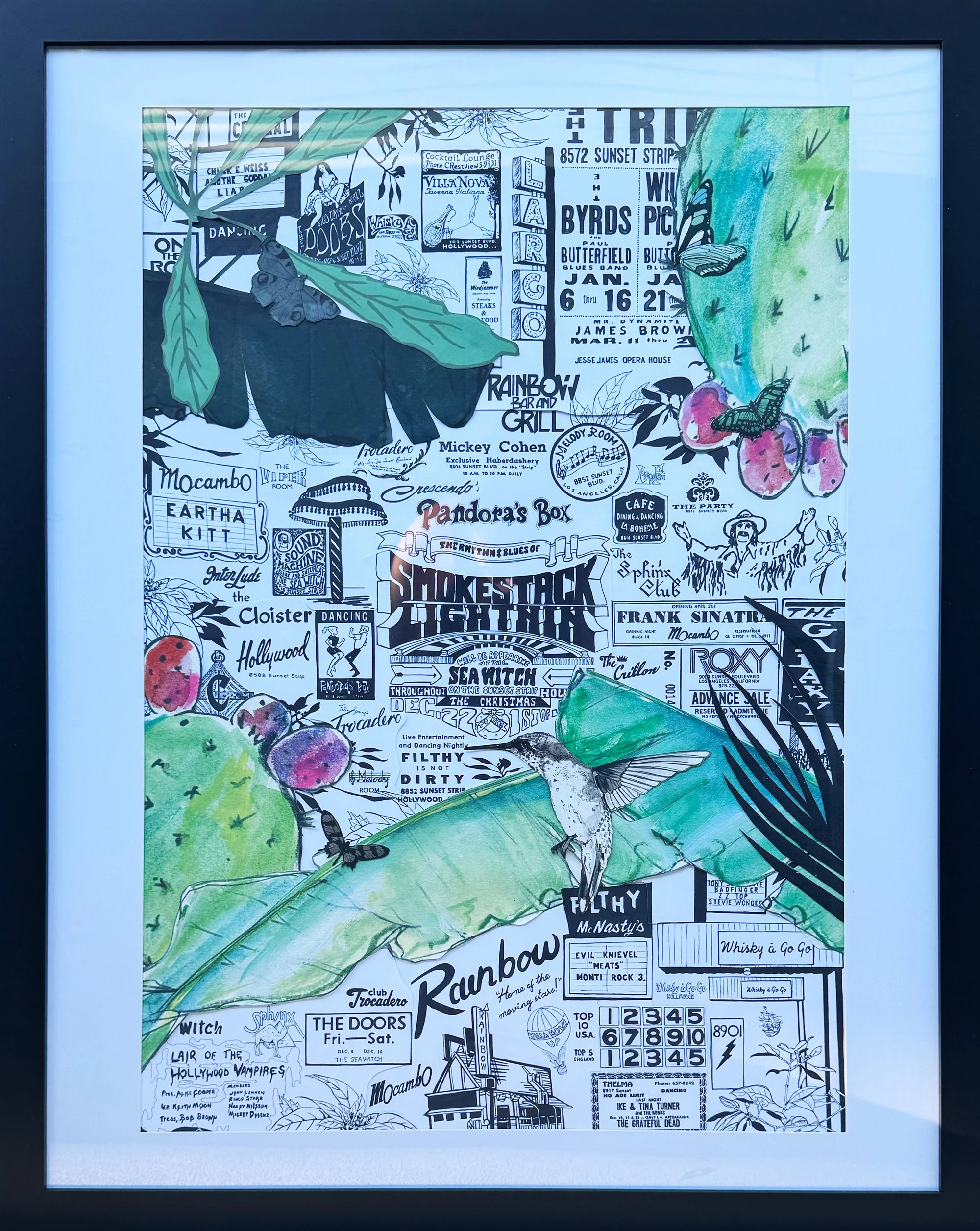
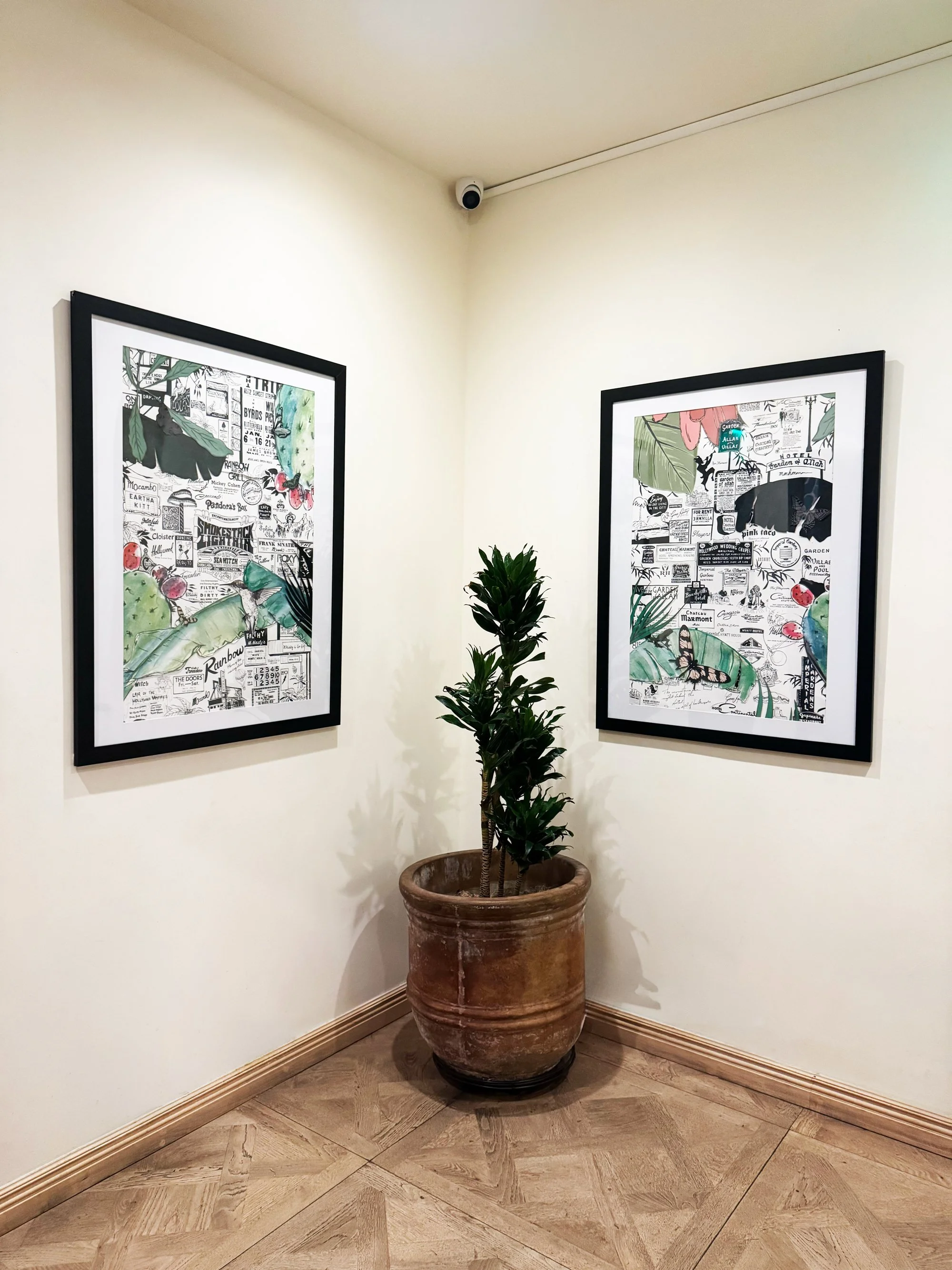
This series celebrates 100 years of the Sunset Strip through two complementary bodies of work: 100 Years of Sunset Strip Hotels and 100 Years of Sunset Strip Clubs. Together, they explore the visual identity, cultural influence and enduring mythology of one of Los Angeles’s most iconic stretches of road.
The inspiration grew from a simple but sobering observation. Our first book, Once Upon a Cocktail – West Hollywood, had been on shelves for just 18 months when we discovered that 23% of the 54 venues it celebrated had already closed. It was a powerful reminder of the fragility of the hospitality industry, and of how quickly the places that shape our collective memories can disappear.
As visual historians, Welcome to the Brightside felt compelled to look further back, tracing a century of change along the 1.7 miles of the Sunset Strip. From legendary hotels that welcomed Hollywood royalty to clubs that launched musical movements and defined generations, these establishments are more than buildings. They are cultural landmarks, each with a story embedded in its name, its identity and its place in the public imagination.
The project brings together 100 years of reinvention through the visual language of venue logos. Each identity represents a moment in time: an era, an ambition, a cultural shift or a dream brought to life by the people who dared to build something extraordinary.
The Material: A Century in Layers
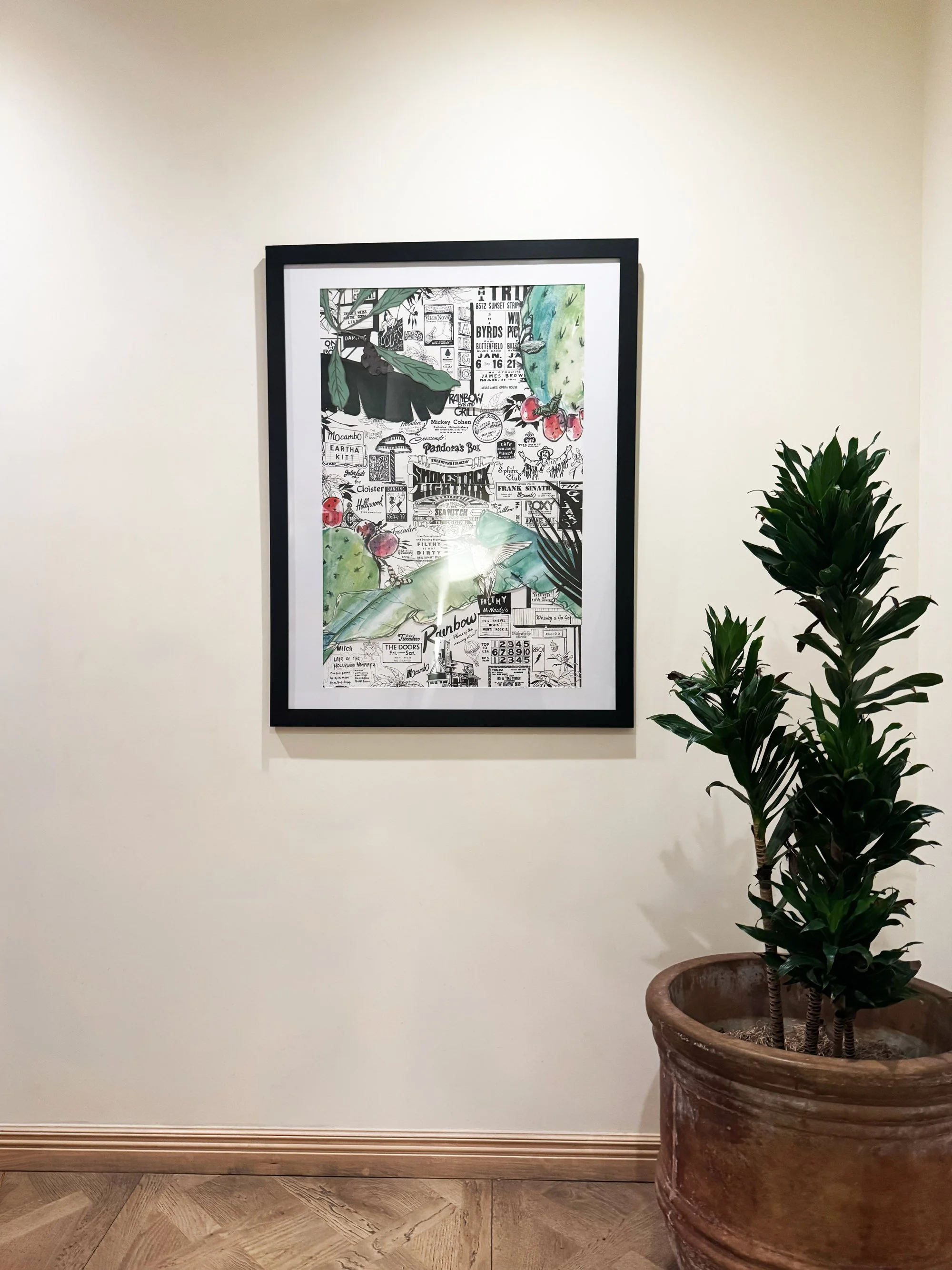
The artwork’s construction reflects the very history it seeks to preserve. Created from layers of collaged paper, each piece echoes the distinctive stripe of Sunset Boulevard itself, transforming the Strip’s visual identity into a physical landscape of accumulated time.
The paper layers are both material and metaphor. Built from reproductions of a century of venue logos, they embody the constant reinvention of the Sunset Strip: businesses opening and closing, identities emerging and fading, and new generations leaving their mark on the foundations of those who came before them.
Like the Strip itself, the works are never defined by a single moment. Their depth comes from accumulation, juxtaposition and change. Familiar identities sit alongside forgotten names, creating a visual record of a place that has continually reinvented itself while retaining its unmistakable character.
The collaged surfaces become a kind of urban archaeology, where graphic design, commercial history and popular culture converge. What might otherwise have been lost to redevelopment or changing tastes is given a new physical presence, preserved through the very act of layering.
Looking Back to Move Forward
Today, as Los Angeles’s hospitality and nightlife industries navigate another period of uncertainty, these works offer a timely perspective. The changing streetscape is not the end of the story. It is another chapter in a century defined by transformation.
The Sunset Strip has always belonged to the dreamers, the risk-takers and the visionaries willing to imagine what comes next. Its history is not simply one of nostalgia, but of resilience: the ability to absorb change, reinvent itself and remain a magnet for creative ambition.
Ultimately, 100 Years of Sunset Strip Hotels and 100 Years of Sunset Strip Clubs are more than archival tributes. They are celebrations of a living cultural landmark, a record of a century of creative reinvention and a statement of faith in the next hundred years.
Because the Sunset Strip has never stood still. It has always been a work in progress.
_
100 Years of Sunset Strip Clubs
Welcome to the Brightside · Working archival index
8118 Sunset Boulevard
Private Home — 1933; Ruth Hall and Lee D. Garmes
Casanova Inc. — 1941; private club
Dance Studio — 1942; Antony Capps
Pandora’s Box / Coffee House — 1958–1962; demolished 1967
Hollywoodland Realty Co. — Ed Ruscha, 1966
8514 Sunset Boulevard
The Sea Witch — 1960–1967; Ed Ruscha, 1966
North Beach Leather — Ed Ruscha, 1973
Office Block — Ed Ruscha, 1995 and 2007; demolished
8572 Sunset Boulevard
Sphinx Club — 1951; not the original club
The Crescendo — jazz venue from 1954; Interlude upstairs; ran until 1964
The Trip — 1965; Ed Ruscha, 1966
Crudo Bar & Restaurant — Ed Ruscha, 2007
Bray Suite Anthology — Ed Ruscha, 2007
Minilux — dates unknown
Bellacure — dates unknown
Pink Dot Xpress — dates unknown
SoulCycle — dates unknown
SunLife Organics — dates unknown
Next Health — dates unknown
One Medical SoCal — dates unknown
Sweetgreen — dates unknown
Oliver Peoples, Inc. — dates unknown
8588 Sunset Boulevard
Club Versailles — Lee Francis, 1937
Club Versailles — Phil Selznick, 1938
Mocambo — opened January 1941; Charlie Morrison and Felix Young
The Crillon Restaurant — second floor, former Mocambo
Larry Finley’s — 1950s; second floor, former Mocambo
The Cloister — June 1958
Club Renaissance — Ben Shapiro, 1961
Demolished site / vacant fire lot — documented by Ed Ruscha, 1966
Ketchup — Ed Ruscha, 2007
Café Primo — Ed Ruscha, 2007
H&M — dates unknown
Purelux Scalp Spa — dates unknown
F.P. Journe Invenit et Fecit — dates unknown
8610 Sunset Boulevard
Café La Bohème — 1927–1931; your notes list the address as 8614 Sunset Boulevard
Café Trocadero — 1934–1947; associated with Billy Wilkerson; remodelled in 1938
Building / street-level frontage — Ed Ruscha, 1966–2007; not rebuilt at street level, according to research notes
Oppenheim Group — subsequent building history; details unknown
8852 Sunset Boulevard
Series of Grocery Stores — 1924–1942
Cotton Club — 1946–1947
Greenwich Village Inn — 1947–1949
Rue Angel — 1949–1950
The Last Call — 1950–1951
The Melody Room — 1951–1969; Ed Ruscha, 1966
Filthy McNasty’s — 1973–1980; Ed Ruscha, 1973
The Central — 1980s onward; Ed Ruscha, 1985
The Viper Room — established 1993; Ed Ruscha, 1995 and 2007
8901 Sunset Boulevard
Building constructed — 1930
Republic Bank — dates unknown
Los Angeles Conservatory of Music — 1962
French restaurant — unverified
The Party — possibly 1964; unverified
Whisky a Go Go — established 1964; temporarily closed 1982–1986, according to your notes; Ed Ruscha, 1985 (For Rent)
8917 Sunset Boulevard
Little Hungary — 1937
Little Gypsy — 1937–1947
The Golden Violin — Rose Deitch, 1960
The Clan — Rose Deitch, 1963
The Galaxy — Rose Deitch; 1964–1969; Ed Ruscha, 1966
Thelma — dates unknown
Le Le House — listed at 8917; Ed Ruscha, 1985
Koya — dates unknown
Sunset Sushi — dates unknown
Sushiteria — dates unknown
Additional sushi concept — name and dates unknown
Justin Queso’s Tex Mex — 2021–2023
Blue Birdy — 2024
8915 Sunset Boulevard
Addictions — property split; clothing; Ed Ruscha, 1985
Hollywood Pita — Ed Ruscha, 2007
8919 Sunset Boulevard
The Handlebar — 1960
Fred Pratt’s Opera House — 1961–1965
The Opera House — dates unknown
Jesse James’ Opera House — dates unknown
The London Fog — associated with Jesse James; Ed Ruscha, 1966
Muthers — 1968
Melody Nails — Ed Ruscha, 2007; operating dates unknown
Like a Gentleman — 2016–2021
Chado the Barber — 2021
9009 Sunset Boulevard
Westside Market and Hazen’s Market — 1933
Largo — associated with Chuck Landis; established 1956; Ed Ruscha, 1966
The Roxy — established 1973; Ed Ruscha, 1973
9015 Sunset Boulevard
The Queen — 1935
Club Esquire — 1936
The Mermaid Club — 1938
Villa Nova — 1940–1967; Ed Ruscha, 1966
The Windjammer — 1968
Rainbow Bar & Grill — established 1972; Ed Ruscha, 1973, 1985, 1995 and 2007